
Automation Solutions
Solve operational challenges with the right automation strategy
Automated Solutions For All Applications
Solve operational challenges with the right automated technology, equipment, and strategy.
Every operation has different demands. You may be trying to move more product through your facility, make better use of available space, reduce repetitive tasks, improve safety, or prepare for growth. But identifying the right automation solution can be difficult when you’re not sure which equipment or technology will address the problem.
MH Equipment starts with your operation—not a product list. Our team works with you to understand your goals, evaluate your workflows, and explore practical solutions that fit your facility, people, and budget.

The MH Equipment Difference
When you work with MH Equipment, you get more than equipment. You get access to high-quality manufacturers, flexible payment options, and a team that can help you find the right equipment for your operations.
Understand Your Operation
Discuss your current processes, material flow, facility constraints, and business goals.
Identify the Root Challenge
Look beyond visible bottlenecks to understand what may be causing delays, extra handling, or underused space.
Evaluate the Options
Compare potential equipment and technology based on your application, facility, and operational needs.
Plan for Implementation
Consider timing, budget, facility readiness, employee preparation, and how a solution may affect daily operations.
Support Long-Term Improvement
Establish ways to measure performance and identify opportunities to refine the system over time.
When you work with MH Equipment, you get more than equipment. You get access to high-quality manufacturers, flexible payment options, and a team that can help you find the right equipment for your operations.
Start With the Challenge You Need to Solve
You don’t have to know which equipment you need before reaching out. Start with what you want to improve.
Move Materials More Efficiently
Long travel distances, repetitive transport, and unnecessary handling can slow production and warehouse workflows. Explore ways to improve material flow and move products between shipping, receiving, production, and storage.
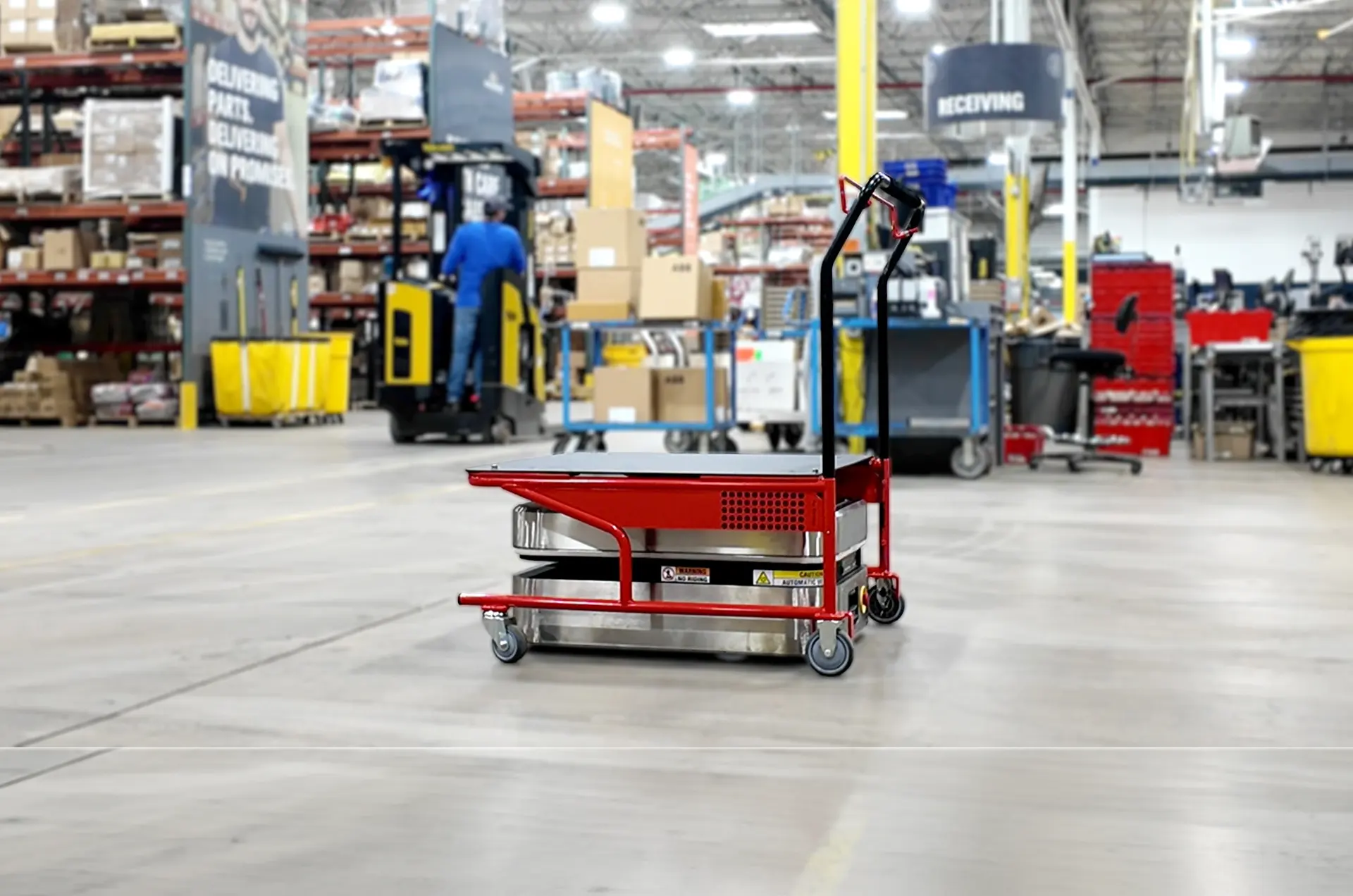
Potential solutions to improve material movement include autonomous mobile robots (AMRs), automated guided vehicles (AGVs), automated lift trucks, conveyor and sortation systems, robotic picking and palletizing, and workflow or facility layout improvements.
Make Better Use of Facility Space
When storage areas are full or aisles limit movement, your operation may need a different approach to storage, layout, or material flow. Evaluate ways to use available space more effectively and support future capacity needs.
Potential solutions to maximize your space include high-density storage systems, automated storage and retrieval systems (AS/RS), vertical lift modules, narrow-aisle lift trucks, vertical conveyors and lifts, mezzanines, and storage layout improvements.
Improve Throughput and Reduce Bottlenecks
If work is backing up at picking, packing, staging, or shipping, more than one task or piece of equipment could be causing the issue. Reviewing the full workflow can help identify where delays occur and where changes may improve throughput.
Potential solutions to improve throughput include conveyor and sortation systems, robotic picking, automated palletizing, and warehouse software.
Reduce Repetitive Manual Tasks
Repetitive lifting, transporting, sorting, or cleaning can take time away from other work. Automation may help handle routine tasks and allow employees to focus on work that requires their attention and experience.
Potential solutions to streamline repetitive or menial tasks include autonomous mobile robots (AMRs), automated guided vehicles (AGVs), automated lift trucks, robotic material handling, palletizing systems, and autonomous floor-cleaning machines.
Prepare for Growth or Changing Demand
New products, additional shifts, changing order volumes, or facility expansion can put pressure on existing systems. Consider solutions that address immediate needs while allowing room for future changes.
Potential solutions that enable growth include scalable automation, flexible material transport, system integration, phased implementation, and workflow or facility layout improvements.
Support Safer, More Consistent Workflows
Congested travel paths, frequent equipment interactions, and repetitive material movement can create operational challenges. Evaluate how facility layout, traffic flow, equipment, and processes work together to support safer operations.
Potential solutions that improve facility safety include separating pedestrian and equipment traffic, automating predictable transport routes, improving material staging, and updating workflows.
Explore Material Handling Automation Solutions
Material handling automation can take many forms. The right approach depends on what you need to move, store, sort, or process—and how those tasks fit into your operation. A modern facility may combine several of these technologies.
The goal is not to automate every task but to identify the combination that addresses the operation’s needs.
Conveyor Automation
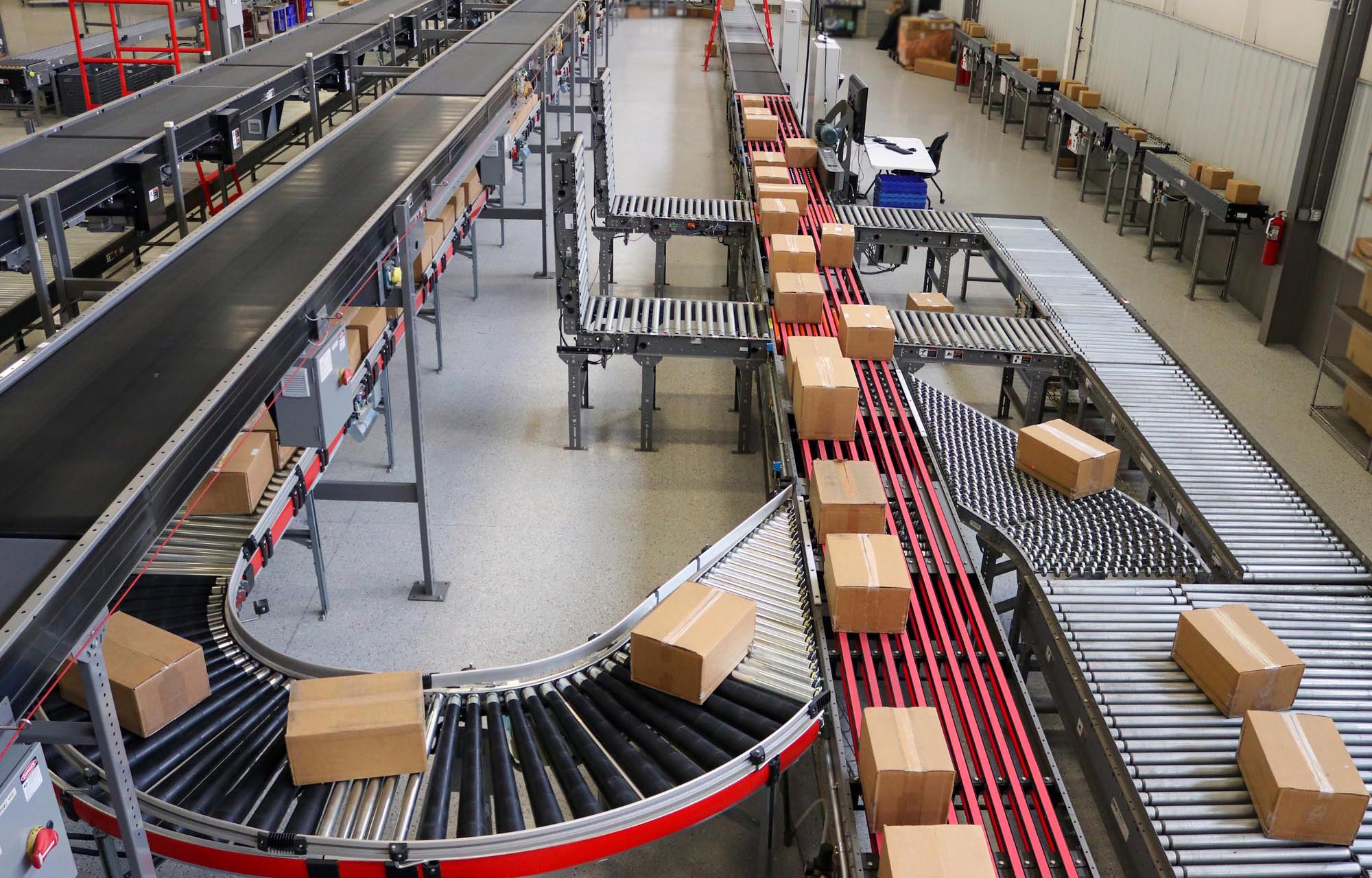
Conveyor systems move materials along a defined path between locations. They are commonly used to support continuous or high-volume movement in warehouses, manufacturing facilities, and distribution centers. Examples include belt, roller, chain, and sortation conveyors.
Automated Sorting Systems
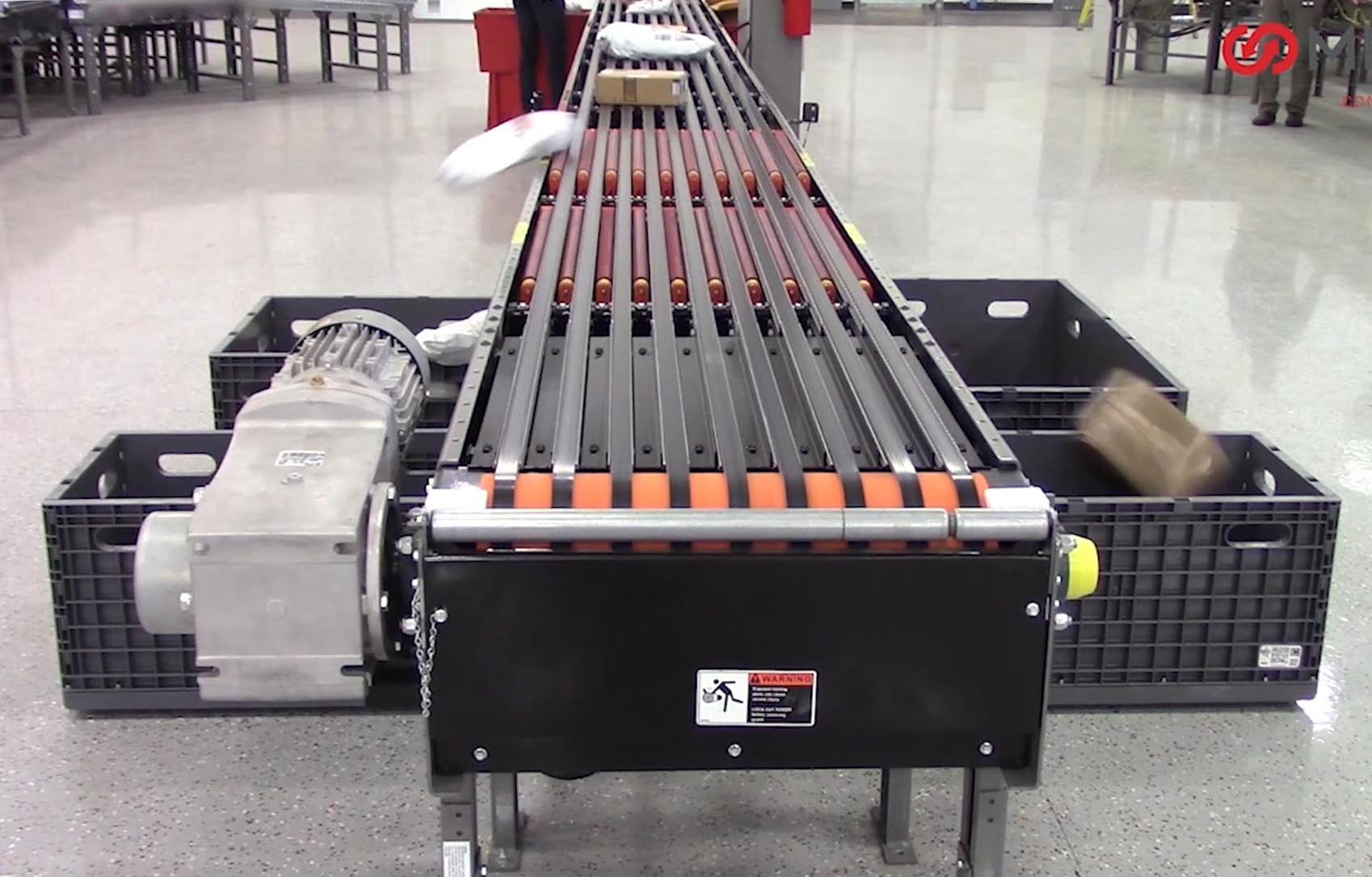
Automated sorting systems identify and direct products to preset destinations. They are commonly used in parcel handling, e-commerce, warehouses, and distribution operations.
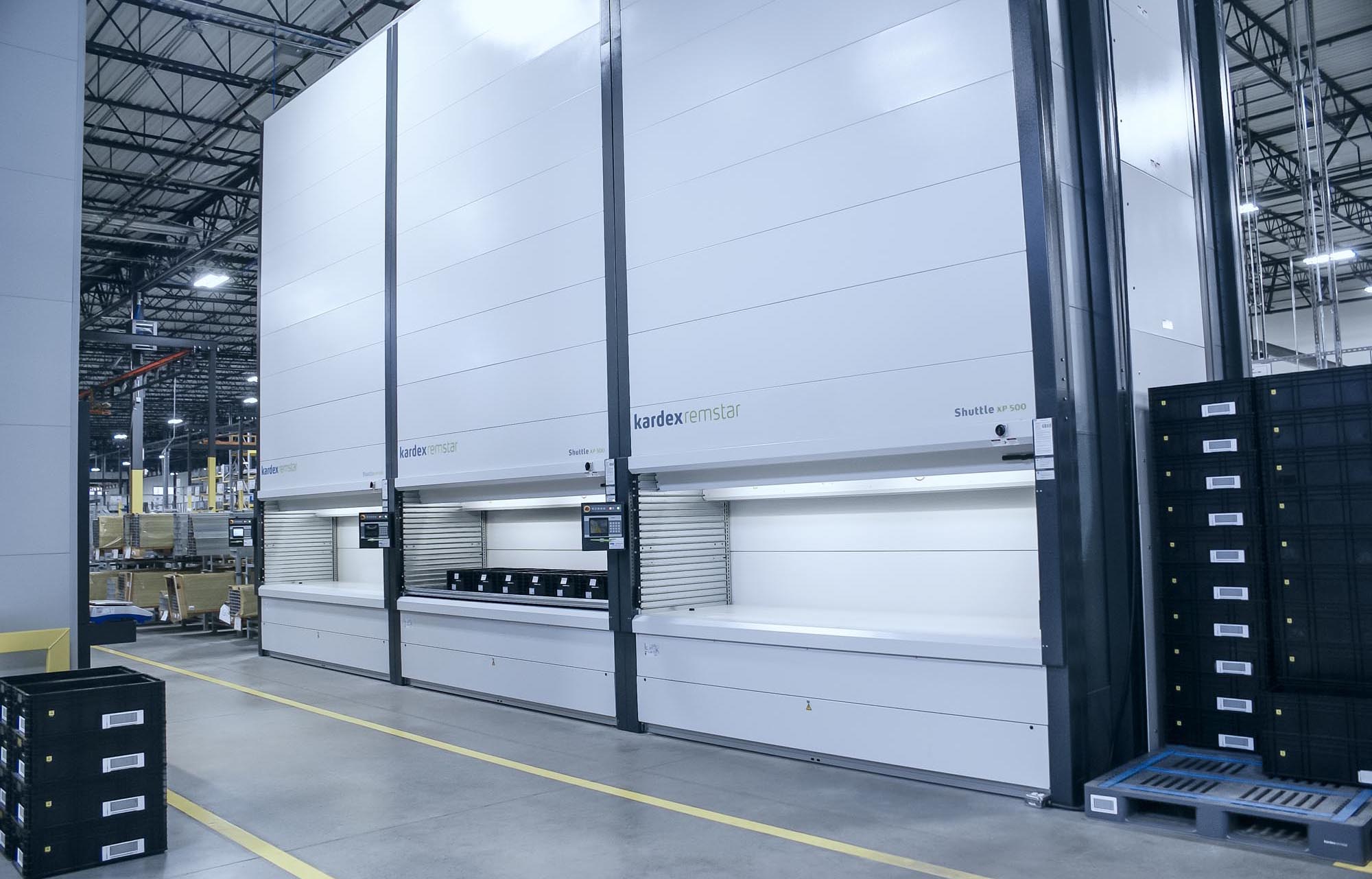
Automated Storage Retrieval Systems (AS/RS)
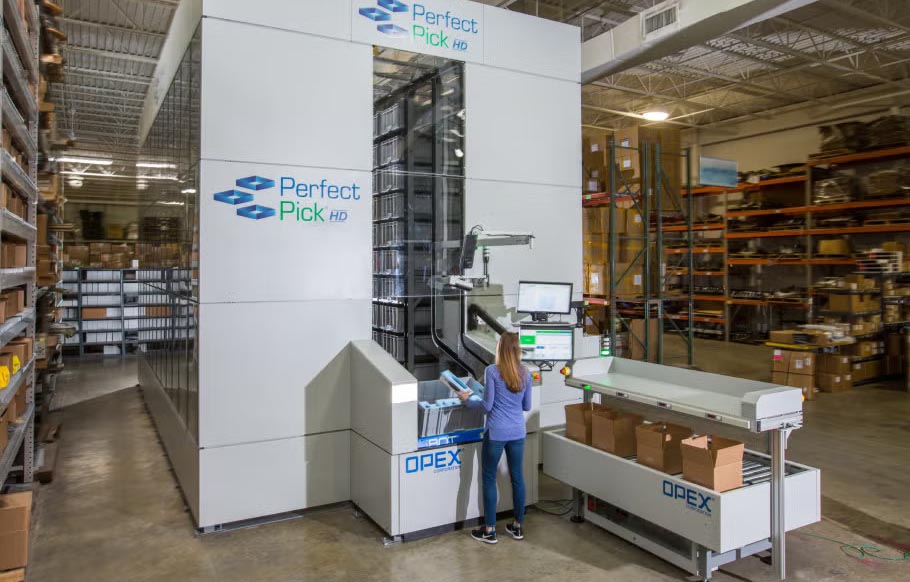
AS/RS technology automatically stores and retrieves materials from designated locations. These systems can support storage density and product retrieval in facilities with specific space and throughput requirements. Examples include pallet AS/RS, mini-load systems, vertical lift modules, and shuttle systems.
Automated Guided Vehicles (AGVs)
Driverless AGVs transport materials along predefined routes using guidance technologies such as magnetic strips, wires, reflectors, or other navigation systems. They can support repeatable transport tasks in established workflows.
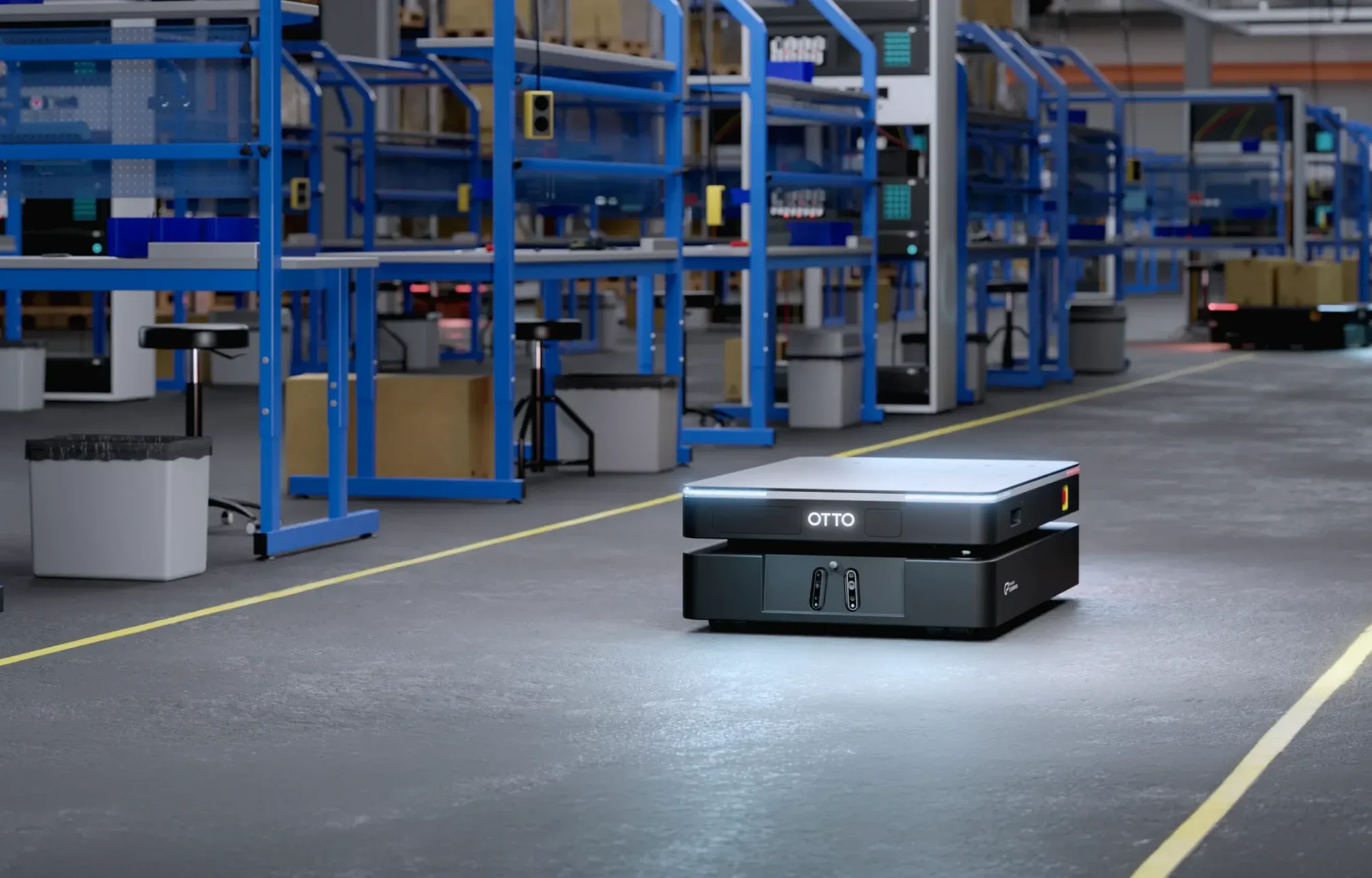
Autonomous Mobile Robots (AMRs)
AMRs use sensors, cameras, and software to navigate through facilities. Unlike traditional AGVs that typically follow predefined routes, AMRs can generally adjust their paths around obstacles and changing conditions.
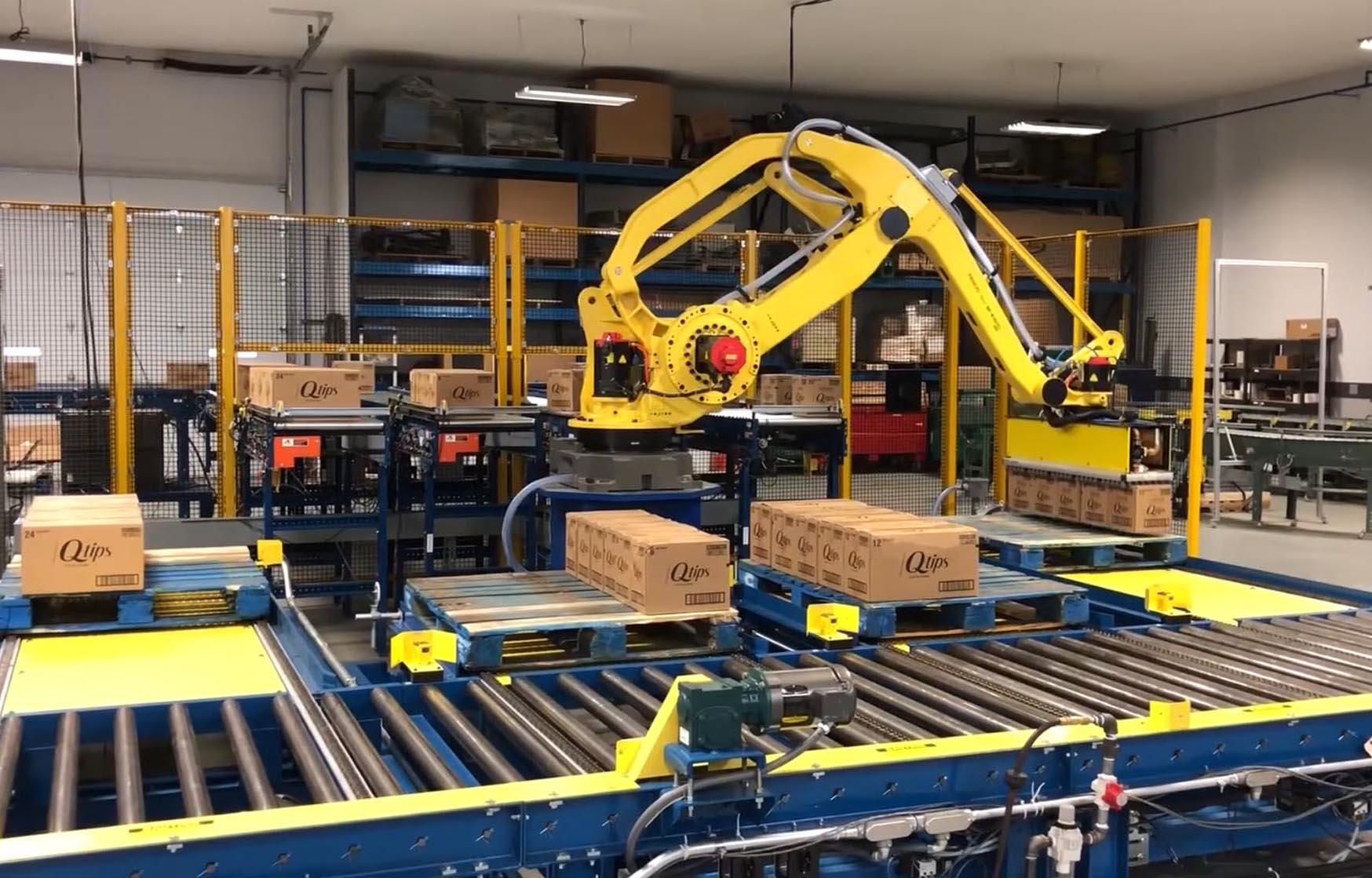
Robotic Material Handling
Industrial robots, such as an industrial robotic arm, can perform tasks such as picking, placing, palletizing, depalletizing, loading, and unloading. The right application depends on the materials being handled, the required process, and the surrounding equipment.
Vertical and Lift Automation
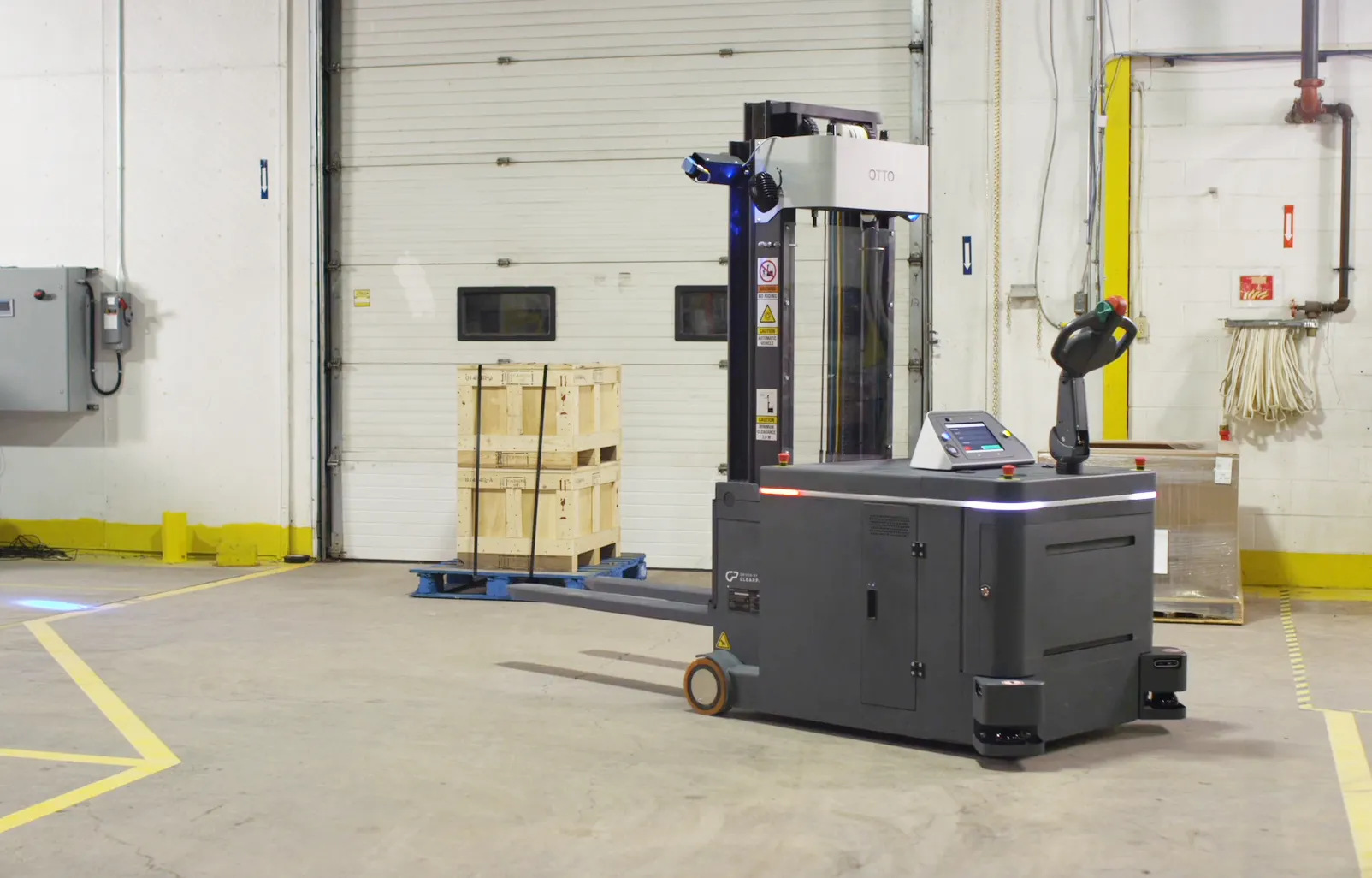
Vertical automation moves materials between levels of a facility. Options include vertical conveyors, lifts, elevators, and vertical lift modules.
Pick-and-Place Automation
Pick-and-place systems automatically transfer items from one location to another. Some applications use vision systems to identify products and guide handling.
Warehouse Control and Management Automation
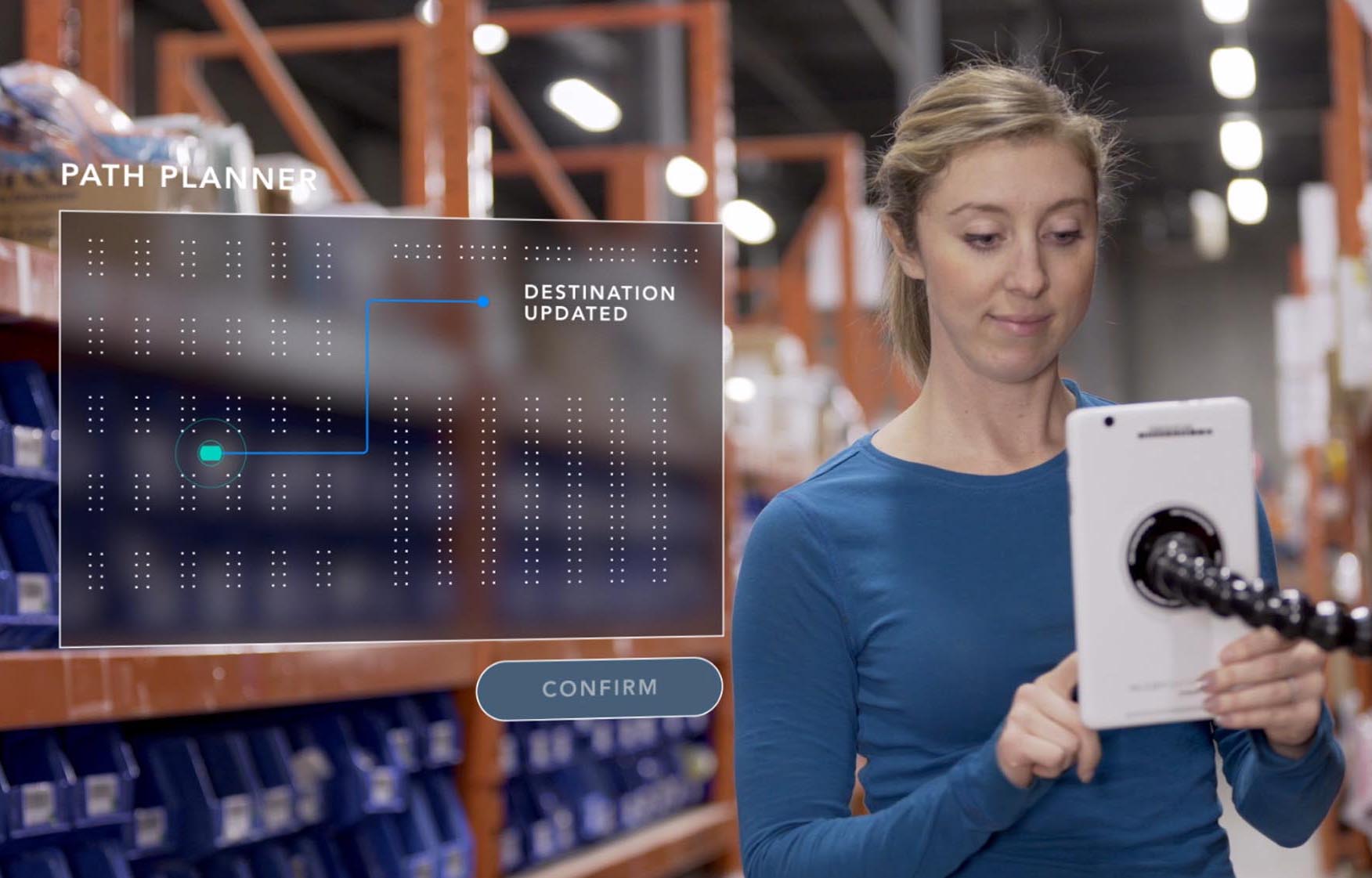
Warehouse software coordinates inventory, equipment, and material flow. Different systems support different levels of planning, execution, and equipment control.
Features to Consider

Fixed Automation
Equipment follows a predetermined process, such as a conveyor line designed for a consistent flow of materials.
Programmable Automation
Equipment can be reprogrammed to handle different products, tasks, or processes.
Flexible Automation
Systems can adjust to changing products, routes, or operating requirements with less manual intervention.
Integrated Automation
Multiple machines, robots, conveyors, sensors, and software systems work together as part of a coordinated material workflow.
Autonomous Floor Cleaning
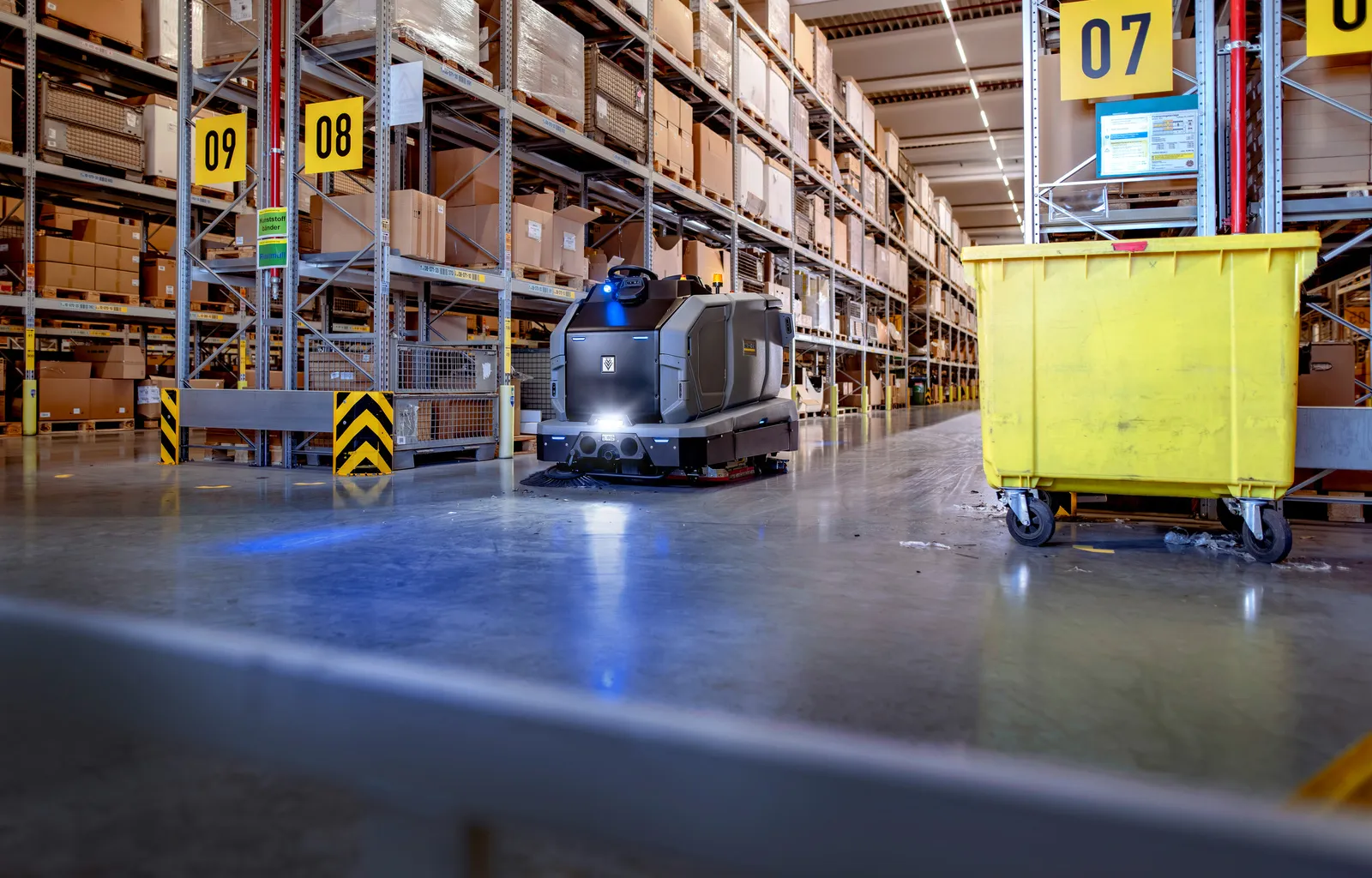
Autonomous floor cleaning equipment can help manage routine floor care in commercial and industrial facilities. Machines such as Kärcher’s KIRA series can follow mapped cleaning routes, supporting consistent cleaning while employees focus on other responsibilities.
For warehouses and production facilities, floor cleaning may be a practical automation opportunity alongside material transport and storage. Learn more in our Autonomous Floor-Cleaning Machines: A Guide for Warehouses.
The appropriate approach depends on the consistency of your processes, the variety of products you handle, and how much flexibility your operation requires.
Buy Autonomous Equipment
Buy new or used, or finance what fits your budget.
Featured Automation Manufacturers
OTTO autonomous mobile robots (AMRs) automate material movement and work safely alongside employees and traditional material handling equipment.
Keep floors clean with autonomous cleaning equipment from Kärcher. Designed for commercial and industrial environments, these intelligent cleaning machines help reduce manual labor, maintain consistent cleaning results, and support more efficient facility operations.
Improve material handling efficiency with Hyster Atlas™ automated lift trucks. These trucks are designed to automate repetitive material movement. These solutions help increase productivity, reduce labor demands, and streamline operations with easy setup and route management.
Hand off material movement to automated lift trucks with Yale Relay™. Their user-friendly drag-and-drop portal allows for quick setup of automated lift truck routes in as little as a day, giving operations the ability to make changes without delays or expensive programming requirements.
Find The Right Solution for
Your Operation
You don’t need to have every answer before starting the conversation. Tell us what’s slowing your operation down, what you want to improve, or what you’re planning for the future.
MH Equipment can help you evaluate the challenge, explore potential solutions, and identify practical next steps for your facility.
Frequently Asked Questions
What is material handling automation?
Material handling automation uses equipment, robotics, and software to automate tasks such as moving, storing, retrieving, and handling materials. The specific technology depends on the products, processes, and facility requirements.
What are the benefits of warehouse automation?
Warehouse automation may help improve material flow, reduce repetitive manual tasks, support more efficient use of space, and increase consistency. The results depend on proper technology selection to address the operational need and appropriate implementation.
How do I know which type of automation my operation needs?
Start by identifying the problem you want to solve. Consider where delays occur, how materials move through your facility, what tasks are repetitive, and what outcomes matter most. MH Equipment can help assess your workflow and explore options based on your needs.
Can automation be added to an existing warehouse?
Automation may be introduced into an existing facility, but the right approach depends on the building layout, processes, infrastructure, and equipment already in place. A facility and workflow assessment can help identify opportunities and constraints.
Does automation always require a fully automated system?
No. Automation can range from a single piece of semi-automated equipment to a coordinated system of machines and software. Some operations may benefit from a targeted or phased approach rather than automating an entire facility at once.
What is the difference between an AGV and an AMR?
An automated guided vehicle (AGV) typically follows a predefined route using a guidance system. An autonomous mobile robot (AMR) uses sensors and software to navigate and can generally adjust its route around obstacles. Specific capabilities vary by model and application.
What is the difference between a WMS, WES, and WCS?
A warehouse management system (WMS) supports warehouse operations such as inventory and order management. A warehouse execution system (WES) coordinates work across processes and equipment. A warehouse control system (WCS) directs automated material handling equipment. Their functions can vary by software provider and system design.
Can MH Equipment help with autonomous floor cleaning?
MH Equipment can help you explore autonomous cleaning equipment options for commercial and industrial environments. The right equipment depends on your facility, floor conditions, cleaning requirements, and operating schedule.
How does MH Equipment get started on an automation project?
The process begins with understanding your operation, goals, and challenges. From there, the team can evaluate workflows, identify potential opportunities, and help explore a solution and implementation plan suited to your facility.