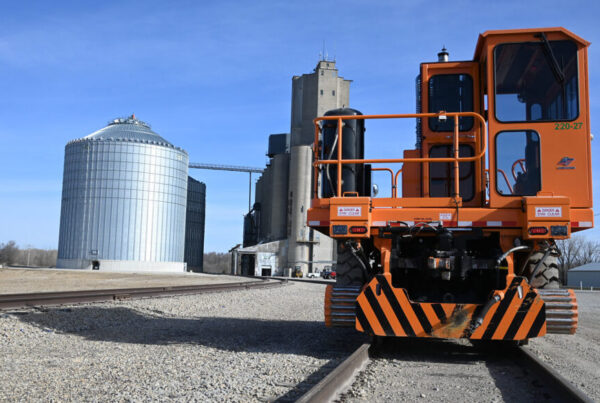

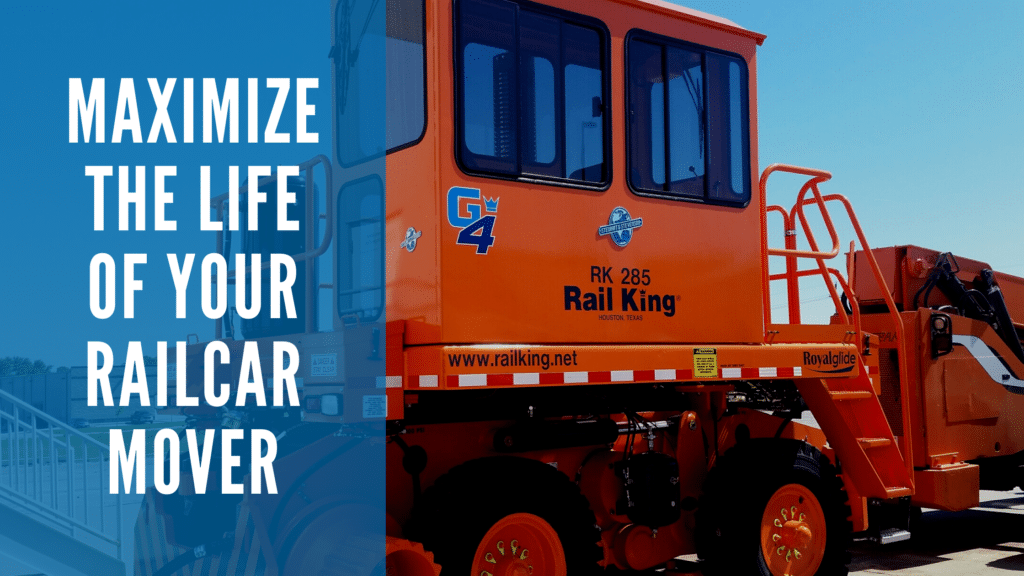
Railcar movers are built to withstand decades of use as they contribute to keeping supply chains moving. To realize the full potential of your railcar mover, prioritizing railcar mover maintenance becomes essential to avoid breakdowns that can create costly downtime for your business.
Downtime is expensive, time-consuming, and interruptive to your operations. It is also often the repercussion of not effectively maintaining your railcar mover over time. In an effort to save you money, time, and other resources, here are three practical railcar mover care tips that can help maximize the usable life of your equipment:
Three Practical Railcar Mover Care Tips
1. Be diligent with your recommended maintenance schedule.
One of the best ways to protect your investment in your railcar mover is to be mindful of your operational hours and to follow a strict railcar mover service schedule.
Having a periodic maintenance (PM) agreement with MH Equipment that aligns with your railcar mover’s recommended maintenance schedule can minimize any surprise breakdown costs that immediately halt your operations. In MH’s railcar mover PM agreements, our factory-certified technicians can complete a comprehensive maintenance check every 250, 500, 750, 1000, and 2000 hours, checking components like oils, filters, lines and fittings, couplers, and more.
Sometimes, however, maintenance emergencies happen on the clock, and you need to get back up and running. At MH Equipment, we understand the urgency of every service call because we know the importance of the railcar mover to your business. That’s why we offer 24/7 onsite service* options with our skilled technicians, backed with a vast parts inventory.
We know your time is valuable, and we understand you can’t always wait for repairs. MH Equipment also offers short- and long-term rental agreements to help you keep moving forward with your business.
2. Have your operators take a minute to visually inspect the railcar mover before operation.
Your operators play a crucial role in extending railcar mover life – they are the eyes and feet on the ground that can identify any issues before they become a significant safety or maintenance problem. Here are a few items operators can easily inspect before operation:
- Inspect wheel and tire condition
- Check fluid levels
- Test horn and lights
- Refill sandboxes, if needed
While this is not a complete list, conducting a daily railcar mover inspection before operators start their shift is best practice. A visual inspection can indicate obvious maintenance issues, but following the recommended maintenance schedule will ensure you’re getting the most out of your railcar mover for as long as possible.
3. Empower your operators with the knowledge and skills to be successful.
One of the best things you can do to keep your railcar mover up and running is having trained operators at the helm. Proper training gives your staff a well-rounded view of all operational aspects, from safety best practices and troubleshooting and maintenance when something is not running as it should.
It is also important to offer refresher training to your employees. Over time, operators may develop bad habits, such as taking safety shortcuts – these bad habits can create productivity and safety issues, or even unnecessary maintenance costs, for your business. A trained operator will be a safer operator, which minimizes excessive wear and tear to the machine and keeps productivity high.
At the end of the day, your company is losing money if your equipment is not up and running. MH Equipment’s team of railcar mover specialists can assist you in finding effective solutions to your downtime and maintenance issues – visit www.mhrailcarmover.com
or call your nearest MH Equipment location to get in contact with one of them today.
*Available for Rail King, Trackmobile, and Shuttlewagon models.