

















Like what you see?
Warehouse Sustainability: Much More than Renewable Energy
The term “sustainability” has been a prominent concept since the 1950s, yet it has never settled on a single, universally accepted definition. For some, sustainability represents a collection of technical environmental objectives that corporations must meet to be considered responsible, globally conscious entities. For others, it embodies a social paradigm that influences individual consumption decisions, both professional and personal. Regardless of interpretation, it’s clear that sustainability encourages mindful consumption of resources in our daily lives, aiming to balance the needs of both current and future generations.
Over the past several decades, businesses across various sectors have been integrating sustainable practices into their operations. However, some more traditional, less public-facing industries, such as material handling, have been slower to adopt these changes. To assist our supply chain customers in accelerating their sustainability initiatives, we want to highlight a straightforward opportunity: incorporating electric personnel carrier vehicles into their warehouse operations.
How Electric Personnel Carriers Fit into Sustainable Warehouse Operations
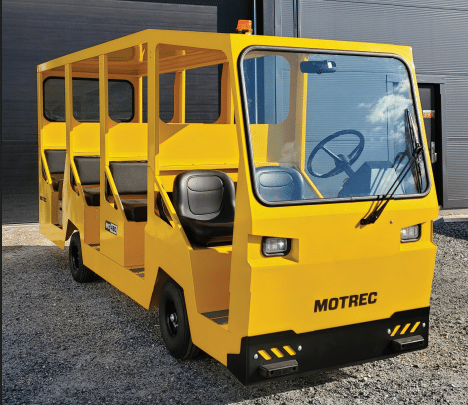
Essentially, personnel carriers are specialized material handling vehicles designed primarily for transporting individuals within warehouses and outdoor yards. These carriers come in a diverse array of styles and configurations, but their fundamental purpose is to move staff and visitors across longer distances more quickly and safely than walking. Furthermore, many personnel carrier models offer additional capabilities such as cargo handling and towing features, which significantly broaden their utility.
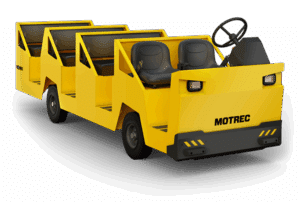
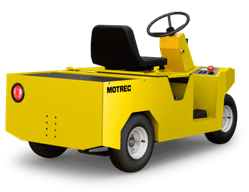
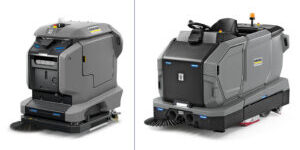
Fig. 1 – Personnel Carrier, 11 Passenger Model Fig. 2 – Personnel Carrier, Solo Cargo Deck Model
Fleet managers typically acquire personnel carriers for one of two primary reasons: to replace current operations performed on foot or with unsuitable vehicles, or to enhance the safety of transporting groups of people across busy warehouse environments. Expanding our perspective to encompass sustainability objectives reveals additional compelling reasons why personnel carriers are an ideal fit for sustainable warehouse operations:
- All-Electric & Zero Emissions: Fully electric power means no exhaust pollutants, making them ideal for both indoor air quality and outdoor use as an alternative to combustion engines.
- Exceptional Energy Efficiency: Designed for low weight and long run times, personnel carriers are highly energy efficient, with models tailored for specific applications to maximize economy.
- Minimal Thermal Contribution: Operating on low-voltage electric power, they add negligible heat to a warehouse, easing HVAC loads and reducing energy demands.
- Utilizes Existing Charging Systems: Many models can reuse existing charging infrastructure, including standard 110VAC outlets, minimizing new material consumption and waste.
- Supports Warehouse Automation: These vehicles integrate well with telematics and route control systems, optimizing performance and promoting overall automation goals.
- Improves Fleet Lifecycle: Integrating personnel carriers for specific tasks extends the lifespan of other fleet vehicles by ensuring “the right tool for the right job.”
- Reduces Facility Maintenance: Using appropriately sized indoor personnel carriers prevents damage (e.g., curb impacts, floor chips) often caused by oversized or incorrect vehicles.
- Streamlines One-Off Missions: Ideal for quick, single-person or small-item pick missions, freeing up larger, less efficient equipment for their primary tasks.
- Boosts Warehouse KPIs: By filling a crucial operational gap, they improve key performance indicators such as throughput, mission times, and vehicle/labor utilization.
- Enhances Overall Warehouse Efficiency: Collectively, these benefits—cutting trip times, speeding turnarounds, and optimizing vehicle use—significantly increase a warehouse’s operational efficiency and sustainability.
Know Your Options When Selecting Electric Personnel Carriers
When evaluating new electric personnel carriers, we recommend consulting with a knowledgeable technical advisor before progressing too far into the selection process. To illustrate why this is beneficial, let’s examine a leading manufacturer’s brochure page for their personnel carrier models.
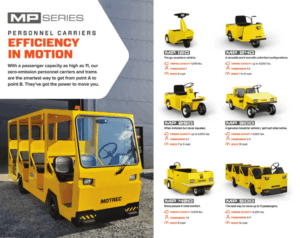
Fig. 3 – Motrec Personnel Carriers Catalog Page
As you can see, each personnel carrier model looks quite different from the next, highlighting just how nuanced selecting the correct vehicle can be. When you add sustainability goals into the mix, it becomes even less obvious which model and customized configuration will best fit your needs.
Consulting with an advisor can help you match models to your specific application requirements, focusing on these key decision points and their common options (contact us for additional options across different OEMs):
- Passenger Capacity: From 1 to 11 passengers.
- Electrical and Power Specifications: 24V, 36V, and 48V battery voltages, with conventional and lithium-ion battery options.
- Load Capacity: Ranging from 300 to 3,000 lbs.
- Towing Capacity: From 1,000 to 6,250 lbs.
- Speed Requirements: Standard options from 6 mph to 12 mph.
- Turning Radius: From 42” to 170”.
- Customization Options: Includes enhanced safety features, LED lighting kits, integrated telematics, weather canopies, cabin heating/cooling, and more.
- Trailer Options: Includes flat deck, multi-tier, container/bin shelves, heavy-duty equipment dollies, hydraulic lift beds, and multi-passenger tram trailers.
MH Equipment is one of the largest material dealers in the United States, with 30 + locations and more than 1,100 employees serving customers in 10 upper Midwest and Eastern states. Our mission is to deliver exceptional service in material handling equipment sales, service, rental, certification & training, and engineering. From complete fleet management to warehouse design, vehicle sales to roadside response, our experts are here to serve your needs. For more information email us here.
We are here to help.
Count on our friendly support team to provide the guidance you need. (614) 871-1571
