






















Like what you see?
Using Rental Industrial Equipment to Meet Seasonal Demands
While no two industries are identical, many commercial markets share a common pattern of natural sales highs and lows that occur year over year. As these fluctuations repeat over time, they form into recognizable “seasons” that define that industry. Holiday shopping seasons, festival seasons, snow sport seasons, crop seasons – these are just a few examples of market seasons that experience such significant activity spikes that the involved businesses must temporarily scale up to meet demand.
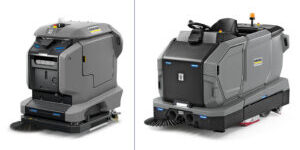
To succeed during these market seasons, businesses call upon rental industrial equipment of all types, from forklifts to scrubbers/sweepers and beyond. When it comes to seasonal rental equipment, the main challenge that businesses face is balancing rental costs with rental durations in the most cost-effective manner. To this end, businesses routinely wrestle with the question, when is the best time to rent industrial equipment for seasonal market demands?
We’ll start with the short answer. The best time to rent industrial equipment is whenever a business needs equipment for an immediate, short term, finite amount of time.
The long answer adds the following quantitative factors to the equation:
- Financial Factors – at face value, seasonal rental equipment is almost always selected to solve a financial constraint. Fleet managers simply need to weigh the cost of renting versus purchasing equipment. Seasons that are too short and infrequent can be better solved with a small amount of overtime. Seasons that are quite long and / or occur frequently can be better solved by investing into new equipment purchases. When seasons fall into the middle ground of duration and frequency, rental equipment is the right choice.
- Operational Factors – from an operational perspective, seasonal demand spikes can usually be handled in one of two ways. Either the business can work longer hours at the current throughput rate, or throughput can be increased within current operating hours by renting additional industrial equipment. When the added overtime, overhead, and risk associated with extended operations is not tenable, rental equipment is the surefire solution.
- Productivity Factors – when sales seasons hit, many businesses are motivated to make their current assets work so that gross margin can be maximized. Too often, this notion is stretched to the limits, and margin is eroded due to hidden drops in productivity and reliability. In other words, running too little equipment with too few operators and too many hours during a busy season can quickly lead to burnout, work slow-downs, errors, rejects, and accidents. In such cases, renting additional equipment can directly improve a business’ productivity, trading a small amount of rental equipment dollars for much greater protection of margin dollars.
Common Seasonal Scenarios Requiring Rental Equipment
Now that we’ve covered the above factors involved with determining when to rent seasonal equipment, let’s provide more context through these example market seasons:
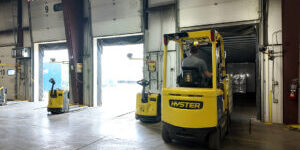
- Consumer Seasonality – just as sure as the weather changes across the year, retail sales activity naturally varies across sales seasons. Most retail swells follow buyer behaviors such as holiday, back-to-school, and summer travel seasons. A smaller proportion of sales swells follow seller behaviors such as spring clearances and Black Friday events. Retail sales surges directly correlate to increased warehouse and distribution activity, driving short-term needs for forklifts, burden carriers, and delivery vehicles.
- Crop Seasonality – in the agricultural market, both the foods grown and the resources used in their cultivation directly tie into seasonal trends. Food harvesting presents some of the shortest, most intense seasons of all, often renting tractors, trucks, attachments, and field lighting for only a handful of days or weeks at a time. Raw foods that are processed into finished products extend this seasonality into industrial food manufacturing plants, where rental forklifts, pallet jacks, and yard trucks are needed.
- Construction Seasonality – construction seasons largely follow fair weather, with a few added nuances. First off, new residential construction often trails peak home buying season (the summer months before the school year begins). Second, infrastructure construction can be heavily weighted towards spring and fall months (right before or right after heavy winter impacts). Rental equipment is especially beneficial in supporting construction seasons with excavators, loaders, aerial lifts, trucks, forklifts, and many more equipment types.
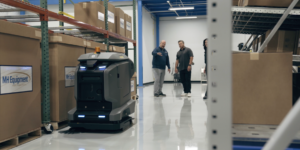
- Maintenance Seasonality – interestingly, maintenance work tends to be scheduled opposite of the above seasons for the simple reason that big maintenance pushes occur “to prepare for” retail, construction, and manufacturing peaks. Material handling centers and industrial manufacturing facilities are the largest users of rental equipment supporting maintenance work – not just forklifts and aerial lifts, but also floor scrubbers, vacuums, rigging equipment, and power tools.
- Industry-Specific Seasonality – many niche industries follow their own unique seasonal cycles driven by any number of factors. We’ve all heard of various examples such as wine season, wedding season, New Years’ resolutions season, Girl Scout cookie season, festival season, football season, and so on. Industry-specific seasons tend to either be event-driven or sales-driven – with events calling for rental power generators, lighting, and scaffolding; and sales pushes calling for rental warehouse equipment.
- Weather-Related Seasonality – we’ve mentioned weather-driven seasonality in a few of the above examples, but this can certainly stand alone as its own category. Unfortunately, most discrete weather-driven seasons involve natural disasters (mainly hurricane, flood, and fire seasons). These seasons demand extreme duty rental equipment such as water pumps, generators, excavators, dozers, tankers, lighting, and aerial equipment. Less extreme examples include rental snowplows, salt trucks, and marquee signs for winter road management.
Tips for Maximizing Rental Equipment Value
To wrap up our discussion on seasonal rental equipment, here are a few tips that fleet managers should consider when pursuing their next rental equipment engagement:
- Use Term-Based Rental Agreements – rental equipment costs are typically comprised of an hourly, daily, weekly, or monthly rental rate; a delivery and pickup fee; and applicable taxes & fees. Using term-based rental agreements, renters can negotiate competitive discounts to these standard costs in exchange for committing to a specific rental duration.
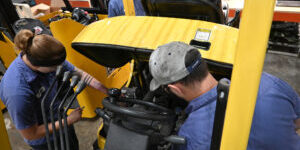
- Ensure Maintenance is Covered – another advantage of renting seasonal equipment is that rental companies often include the cost of maintenance for their equipment in the rental cost. Renters should confirm or request that maintenance fees are embedded into their rental agreement, alleviating potential costs having to cover maintenance directly.
- Balance Utilization and Schedule – no business likes to rent equipment that ends up sitting under-utilized or worse, completely unused due to poor schedule planning. Rental equipment utilization should be carefully planned to make sure that the business is ready to use the equipment to its full extent and then to return the equipment as soon as possible.
- Review 3rd-Party Fleet Management Options – even with all of the information provided in this article, determining the best time to secure seasonal rental equipment can be complex and highly variable. For this reason, many businesses prefer to delegate rental equipment planning to third-party Fleet Management Service Providers. External Fleet Managers work with clients to forecast their seasonal demands, model cost scenarios, reserve and facilitate rental equipment deliveries, and provide data-driven guidance on all aspects of a business’ equipment fleet.
MH Equipment is one of the largest material dealers in the United States, with 30 + locations and more than 1,100 employees serving customers in 10 upper Midwest and Eastern states. Our mission is to deliver exceptional service in material handling equipment sales, service, rental, certification & training, and engineering. From complete fleet management to warehouse design, vehicle sales to roadside response, our experts are here to serve your needs. For more information email us here.
We are here to help.
Count on our friendly support team to provide the guidance you need. (614) 871-1571
