




























Like what you see?
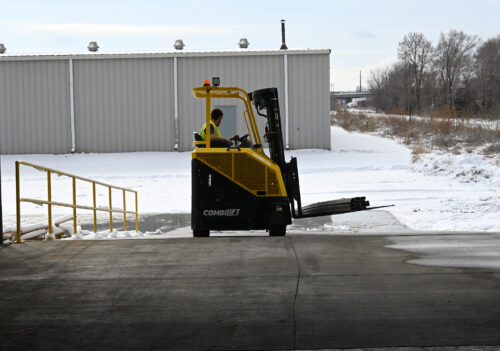
When the temperature drops, the stakes for your material handling equipment go up. Cold weather isn’t just uncomfortable for operators; it’s a literal stress test for every seal, fluid, and battery in your fleet. At MH Equipment, we know that downtime in the winter can be twice as costly.
To keep your operations running smoothly through the frost, here is your essential guide to winterizing and maintaining your industrial equipment.
1. Battery Health is Non-Negotiable
Cold weather is the natural enemy of the battery. Low temperatures slow down the chemical reactions inside lead-acid batteries, significantly reducing their capacity and making them harder to charge.
- Keep them charged: A fully charged battery is less likely to freeze. If a battery is discharged, the water inside can freeze and crack the casing.
- Check the terminals: Ensure connections are clean and tight. Corrosion acts as an insulator, making it even harder for the battery to deliver power in the cold.
- Warm up: If possible, store and charge electric forklifts in a temperature-controlled environment.
2. Fluid Management: Flow is Key
As it gets colder, fluids become more viscous (thicker). This puts extra strain on pumps and can lead to “starvation” of critical components.
- Hydraulic Oil: Use a low-viscosity hydraulic oil rated for winter use if your equipment is operating primarily in sub-zero environments.
- Engine Oil: Ensure you are using the correct oil weight (e.g., 5W-30 vs. 15W-40) as recommended by the manufacturer for cold starts.
- Fuel: For diesel equipment, use winter-blend fuel or additives to prevent “gelling,” which clogs fuel filters and stops engines in their tracks.
3. Protect Your Seals and Tires
Rubber reacts poorly to extreme cold; it becomes brittle and prone to cracking.
- Hydraulic Seals: Before starting heavy lifts, allow the equipment to idle and cycle the hydraulics. This warms the oil and softens the seals, preventing leaks.
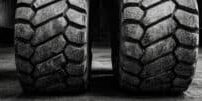
- Tire Pressure: Cold air causes tire pressure to drop. Under-inflated tires reduce traction—a major safety hazard on icy loading docks—and increase wear.
- Pneumatic vs. Solid: If you’re moving from a heated warehouse to a freezing yard, pneumatic tire pressure fluctuations can be significant. Check your PSI daily.
4. The “Warm-Up” Ritual
Never “jump in and go” when the equipment has been sitting in the cold. A proper warm-up period (usually 5–10 minutes) allows:
- Oil to reach critical engine components.
- Transmission fluid to circulate.
- Defrosting of windshields and mirrors for essential operator visibility.
5. Operator Safety and Comfort
Maintenance isn’t just about the machine; it’s about the person behind the wheel.
Features and Benefits:
- Heated Cabs: Keeps operators focused and prevents muscle stiffness
- Lights & Strobes: Winter days are shorter and darker; ensure all LEDs are functional.
- Step Treads: Clean off ice and snow from steps to prevent slips during entry/exit.
Proactive Planning with MH Equipment
The best time to winter-proof your fleet was before the cold weather arrived. The second-best time to prepare is now. Meet the cold weather where it is and keep your operations moving.
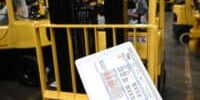
Take the first step toward winterizing your fleet by downloading our checklist today.
MH Equipment is one of the largest material dealers in the United States, with 30 + locations and more than 1,100 employees serving customers in 10 upper Midwest and Eastern states. Our mission is to deliver exceptional service in material handling equipment sales, service, rental, certification & training, and engineering. From complete fleet management to warehouse design, vehicle sales to roadside response, our experts are here to serve your needs. For more information, contact us here.
We are here to help.
Count on our friendly support team to provide the guidance you need. (614) 871-1571
